
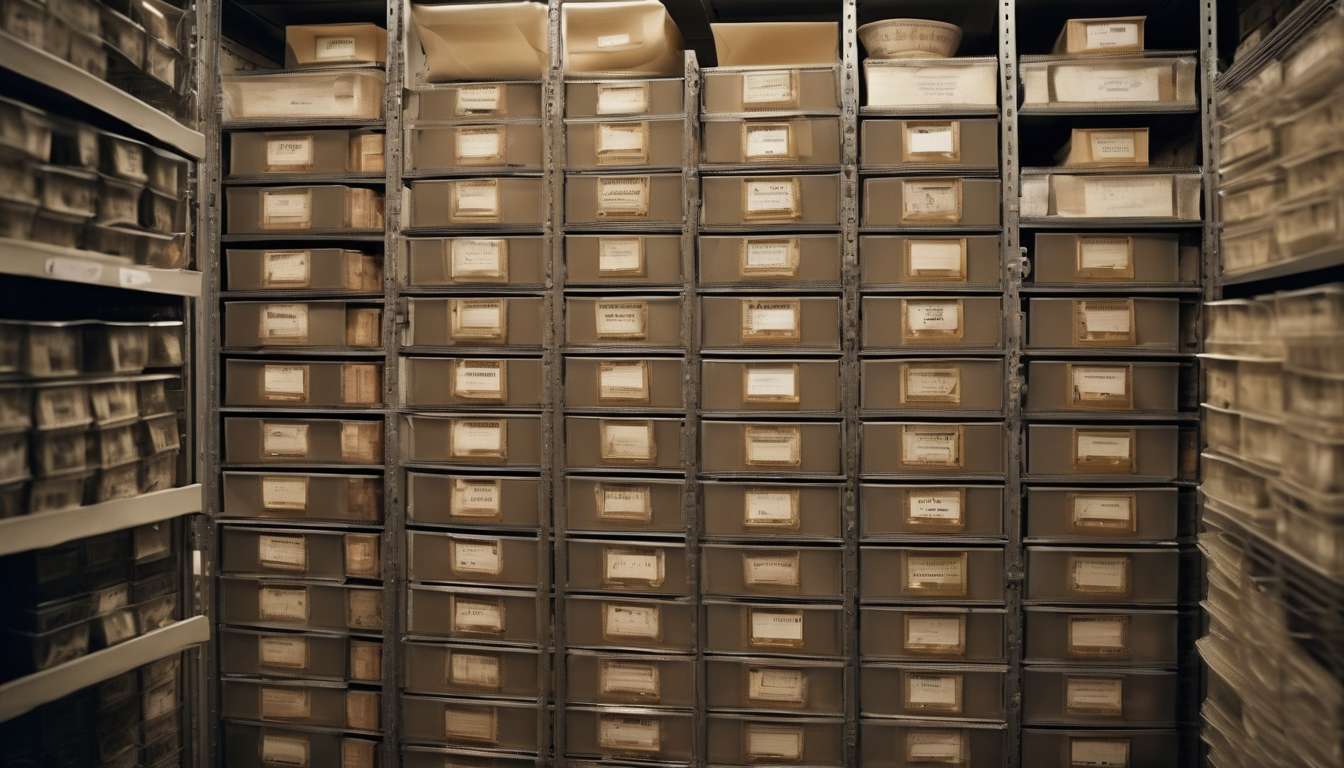
Never have we considered how many business records quietly vanish each year—over 40% of small firms lose critical archival material within a decade.
What responsibilities do we hold when those records document an industry that society frequently stigmatizes?
As archivists, historians, and company stewards, we confront ethical, legal, and cultural questions when preserving adult film company archives:
- Who decides what is worth saving?
- How do we protect privacy without erasing history?
- How can we contextualize material that provokes discomfort?
We must balance access with care, ensuring that performers’ rights and consent histories are preserved alongside production logs, contracts, and promotional artifacts.
Our task is not mere storage but thoughtful curation that acknowledges the industry’s economic significance and its role in media history.
By approaching archive management with transparency, technical rigor, and ethical sensitivity, we can transform vulnerable records into resources for research, accountability, and collective memory.
Ethical Preservation Principles
We prioritize preserving adult film company records in ways that respect consent, privacy, and legal obligations while ensuring their long-term accessibility.
We center ethical preservation principles that recognize individual dignity and community trust.
We commit to documenting consent decisions clearly.
- Record who agreed to what, when, and under which terms.
- Maintain clear, discoverable provenance so future stewards understand boundaries.
We embed privacy-by-design into workflows.
- Minimize exposure of sensitive identifiers.
- Use anonymization or pseudonymization where appropriate while preserving provenance.
- Treat metadata and derivatives with the same privacy considerations as original records.
We implement robust access controls that balance responsible stewardship with researchers’ needs.
- Define roles and permissions.
- Establish approval processes.
- Maintain audit trails for access and use.
We foster an inclusive culture where staff and contributors feel safe raising concerns.
- Encourage feedback and make reporting channels accessible.
- Use feedback to shape and revise policies.
We regularly review retention and disposition practices to avoid hoarding or premature deletion.
- Apply transparent criteria that respect the wishes and safety of those represented.
- Document retention decisions and review schedules.
By aligning technical measures with ethical norms, we create archives that honor people’s autonomy and sustain communal trust across generations.
Legal Compliance and Rights
We ensure archival practices comply with applicable laws and respect intellectual property, publicity, and privacy rights.
We cultivate a community-minded approach: we interpret copyright, contract, and data‑protection requirements together so our records serve the team while honoring contributors.
We document provenance, licensing terms, and restrictions so use is transparent and auditable.
We maintain clear policies that tie permissions to specific assets, and we log consent status without duplicating sensitive details.
We treat privacy as foundational:
- We limit metadata exposure.
- We apply role-based access controls to prevent unauthorized viewing or distribution.
We secure collections with technical and operational controls:
- We use secure storage and encryption.
- We perform routine audits to uphold legal obligations and company commitments.
We provide processes for rights holders:
- Rights holders can request corrections, restrictions, or removals.
- We respond promptly and respectfully to inquiries.
By embedding legal compliance into everyday archival work, we protect creators, performers, and the organization, and we foster trust and belonging across everyone who engages with our collections.
Consent and Performer Privacy
We ensure performers’ permissions are documented, verifiable, and revocable so we can promptly honor their rights and protect sensitive information.
We prioritize clear consent language.
- Signed agreements are stored with timestamps.
- Scope and duration of permissions are tracked.
- Everyone involved should feel respected and included.
We treat performer privacy as a communal responsibility.
- Teams follow minimal-use principles.
- Exposure of identifying data is limited.
We implement technical and administrative safeguards so only authorized staff can view or process materials.
- Role-based access controls are used.
- Sensitive files are encrypted.
We maintain accountability and rapid responsiveness.
- An audit trail is kept for every access request and change.
- Revocation requests and corrections are handled quickly.
We foster an open, safe culture for concerns and updates.
- Performers and colleagues can raise concerns without fear.
- Clear channels are provided for updates to consent or privacy preferences.
We review and update policies to remain legally and ethically sound.
- Regular policy reviews reflect legal changes and community standards.
- Archival practices are designed to support trust, dignity, and shared accountability while keeping records secure and compliant.
Cataloging Sensitive Materials
We categorize and label sensitive materials with consistent metadata and clear handling flags.
- This lets staff quickly identify restrictions, provenance, and required protections for each item.
- We tag items that implicate privacy concerns and note any redaction or anonymization applied.
- Creating this shared language reduces uncertainty and fosters trust among team members.
We include fields that record performer consent status, dates, and scope of permissions.
- These fields ensure everyone understands what has been authorized and when.
- Recording the scope of permissions clarifies permitted uses and limits for staff handling the material.
We maintain controlled vocabularies and document chain-of-custody actions to support accountability.
- Controlled vocabularies cover categories such as contractual limits, commercial use, and third-party claims.
- Chain-of-custody records track who handled the item and when, supporting auditability and responsibility.
We document required access controls in the catalog record.
- Each entry specifies who may view, copy, or distribute an item and under what conditions.
- Keeping entries concise and standardized makes the catalog a reliable reference.
Outcome: a single source of truth for responsible stewardship.
- Staff can confidently handle sensitive collections, recognize the ethical obligations tied to consent and privacy, and rely on the catalog for consistent guidance.
Secure Storage Solutions
Tiered, secure storage combining encrypted digital repositories and climate‑controlled physical vaults.
- We will implement encrypted digital repositories and climate‑controlled, locked physical vaults to protect sensitive materials.
- Access will be authorized and auditable so only permitted individuals can retrieve or view items.
- Goal: protect materials while enabling authorized, traceable access.
Designing for consent and privacy from intake through long‑term retention.
- We will document permissions, anonymization choices, and consent metadata at intake.
- Records of consent and anonymization will be maintained and visible to relevant team members.
- Goal: ensure inclusivity and trust by making privacy decisions transparent and enforceable.
Strong cryptography, integrity checks, and geographically separated backups.
- Apply industry‑standard encryption for data at rest and in transit.
- Perform routine integrity checks (checksums, automated verification) to detect corruption.
- Maintain geographically separated backups to avoid single‑point failures.
- Goal: preserve data confidentiality, integrity, and availability.
Role‑based access controls and comprehensive logging.
- Enforce clear role‑based permissions for digital systems and physical access.
- Log all entry, retrieval, and access events for auditability.
- Goal: build collective confidence through transparent, accountable access controls.
Environmental monitoring and proactive hardware replacement.
- Establish maintenance schedules for temperature, humidity, and light exposure monitoring.
- Replace storage hardware proactively based on lifecycle planning and health checks.
- Goal: prevent degradation and data loss through ongoing environmental and hardware management.
Secure packing, transport protocols, and tamper evidence.
- Use sealed sleeves, tamper‑evident packaging, and documented secure transport procedures when moving items between sites.
- Maintain chain‑of‑custody records for physical transfers.
- Goal: reduce risk during transit and provide clear evidence if tampering occurs.
Training, incident reporting, and shared stewardship.
- Train staff in secure handling, consent‑aware documentation, and incident reporting procedures.
- Foster a culture of shared responsibility so all team members feel included and trusted in stewardship.
- Goal: ensure everyone understands their role and can act consistently to protect materials.
Access Policies and Restrictions
We define who can view, request, or retrieve specific materials, under what conditions, and how those permissions are granted, reviewed, and revoked.
We establish clear access controls that balance researchers’ needs with contributors’ consent and privacy.
We create tiered permissions—public, restricted, and closed—so everyone knows where they fit and how to move between levels.
We require documented consent for personal or sensitive items and routinely review consent records to honor changing wishes.
We use authenticated request processes, logging, and time-bound approvals to limit exposure and prevent unauthorized use.
We revoke permissions if privacy risks emerge, legal obligations change, or consent is withdrawn, notifying affected parties and offering appeal channels.
We train staff to apply policies consistently and compassionately, fostering trust and belonging among contributors and users.
We publish concise guidelines and a transparent review schedule so community members can participate confidently, knowing access controls protect individuals while keeping archives responsibly available.
Contextualization and Interpretation
We will provide clear historical, cultural, and production context so researchers can interpret materials responsibly and understand their creators’ intentions and the era’s norms.
We will explain industry practices, distribution channels, and evolving regulations so everyone who uses the collection feels informed and welcomed.
We will frame descriptions to acknowledge power dynamics and ethical concerns, reminding researchers that consent and privacy are central to interpretation.
We will include provenance statements, creator biographies, and production notes that clarify why materials were created and how they were used, linking to relevant legal and social histories.
We will annotate sensitive items with guidance on respectful handling and cite redaction or access decisions rooted in privacy and consent considerations.
We will document access controls and the rationale behind them when necessary so users understand restrictions without feeling excluded.
By offering transparent, community-minded context we help researchers:
- Draw careful conclusions
- Foster trust
- Support responsible scholarship that respects contributors and subjects alike
Collaboration with Stakeholders
We will engage a diverse set of partners to shape retention, description, and access decisions.
- Partners will include performers, producers, community advocates, and legal experts.
- We will invite voices with lived experience to co-design policies so everyone feels seen and heard.
- We will make room for differing perspectives while centering respect.
We will negotiate consent frameworks together that honor past agreements and support informed choices for future use.
- Frameworks will respect prior commitments and enable future decision-making by contributors.
- Co-designed consent will prioritize transparency and the agency of rights-holders.
We will draft privacy protocols with contributors that clearly define who can view sensitive materials and under what conditions.
- Agreements about viewing, sharing, and handling sensitive content will be documented transparently.
- Protocols will be created collaboratively so community norms and legal requirements align.
We will implement layered access controls to balance scholarship, cultural memory, and individual safety.
- Use role-based permissions to grant appropriate levels of access.
- Establish case-by-case review panels that include stakeholder representation.
- Maintain documented processes for exceptional or contested access decisions.
We will provide clear avenues for ongoing participation so community members can make requests, raise objections, or seek revisions over time.
- Accessible mechanisms for requests and appeals will be published.
- Review and revision processes will be timely and responsive.
By sharing responsibility and decision-making, we will build trust and strengthen stewardship.
- Archives will reflect collective values rather than institutional assumptions.
- Transparent, collaborative governance will support ethical, sustainable access over time.
How do you handle donations of physical media from private collectors who request anonymity?
We respect donors’ privacy.
We accept gifts under anonymous or pseudonymous terms and document provenance without public identifiers.
We issue confidential receipts and protect contact information.
- We will issue receipts that do not disclose the donor’s identity publicly.
- Donor contact information is stored separately from the collection and access is limited to staff who need it.
We limit access to sensitive information.
- Only authorized staff with a legitimate need may view donor identities or contact records.
- Access controls and internal procedures are used to maintain confidentiality.
We consult on legal and ethical issues.
- If legal or ethical questions arise, we consult counsel.
- We consider the donor’s stated wishes when determining stewardship and disposition.
- Our aim is to steward materials responsibly while protecting the donor’s identity.
Summary: We accept anonymous donations, document provenance without public identifiers, keep receipts and contact details confidential, limit access to necessary staff, and consult when legal or ethical issues arise to ensure responsible stewardship.
What procedures are in place for digitizing degraded or moldy tapes to prevent data loss?
We recognize the risk of degraded or moldy tapes and we act fast.
Immediate response:
- We quarantine affected items to prevent contamination.
- We document condition thoroughly with photos and written notes.
- We consult conservators for assessment and treatment recommendations.
Cleaning and stabilization:
- We gently clean media and stabilize them in controlled humidity environments to minimize further damage.
Digitization process:
- We use high-quality playback machines.
- We perform real-time capture to digitize at the highest practical resolution.
Post-digitization preservation:
- We make multiple verified copies.
- We store masters offline.
- We keep detailed logs of actions and metadata.
Outcome: These steps ensure our community’s materials stay safe and accessible for everyone.
Are there guidelines for media formats or codecs used when creating preservation masters and access copies?
Are there guidelines for media formats and codecs when creating preservation masters and access copies?
Short answer: Yes — use open, well-documented, and lossless or minimally lossy formats for preservation masters, and stable, widely supported codecs for access copies.
Preservation masters (best practices):
-
Use open, well-documented, lossless formats whenever possible.
- Examples: FFV1 (lossless) in an MKV wrapper for video; uncompressed PCM / WAV or lossless FLAC for audio.
- Rationale: maximize fidelity and future decodability; open formats reduce dependency on proprietary implementations.
-
Record and preserve technical metadata and settings.
- Document codec version, compression parameters, container details, sampling rate, bit depth, color subsampling, frame rate, resolution, and any processing applied.
- Keep logs of acquisition equipment and workflows.
-
Ensure integrity and fixity.
- Generate and store checksums (e.g., SHA-256) for each master file.
- Use fixity checking as part of regular preservation audits.
-
Plan for migration and emulation.
- Maintain a migration plan describing how masters will be transformed if formats become obsolete.
- Keep copies of reference decoders, documentation, and tooling when feasible.
Access copies (best practices):
-
Use stable, widely supported codecs and containers for access delivery.
- Examples: H.264/AVC or H.265/HEVC in an MP4 container for video; compressed but common audio codecs (e.g., AAC) for streaming and playback.
- Rationale: compatibility across platforms and lower bandwidth/storage needs for user access.
-
Document encoding settings and quality targets.
- Record bitrate, profile/level, resolution scaling, audio codec and bitrate, closed-caption/subtitle handling, and any transcoding steps.
-
Maintain relationship to masters.
- Link each access copy to its source master in your metadata so provenance is clear.
Operational practices to build trust in preserved content:
-
Document everything. Maintain clear records of formats chosen, reasons, settings, checksums, and migration strategies so the community can verify authenticity and quality.
-
Automate checks where possible.
- Integrate checksum creation and periodic fixity checks into workflows.
- Automate metadata extraction and validation.
-
Review and update policies.
- Periodically reassess chosen formats and codecs against current best practices and technological shifts.
- Update migration plans and re-encode access copies if needed.
If you’d like, I can produce a short checklist you can drop into your preservation policy or generate recommended encoding settings (profiles/bitrates) for a sample set of video and audio use cases.
Conclusion
You’ll preserve adult movie company records ethically by balancing legal compliance, performer consent, and privacy protections.
You’ll catalog sensitive materials carefully, secure physical and digital storage, and set clear access policies to prevent misuse.
You’ll contextualize collections with interpretive documentation and collaborate with stakeholders—performers, rights holders, researchers—to honor dignity and rights.
By following these principles, you’ll maintain a responsible archive that supports scholarship while safeguarding individuals and complying with legal and ethical obligations.