
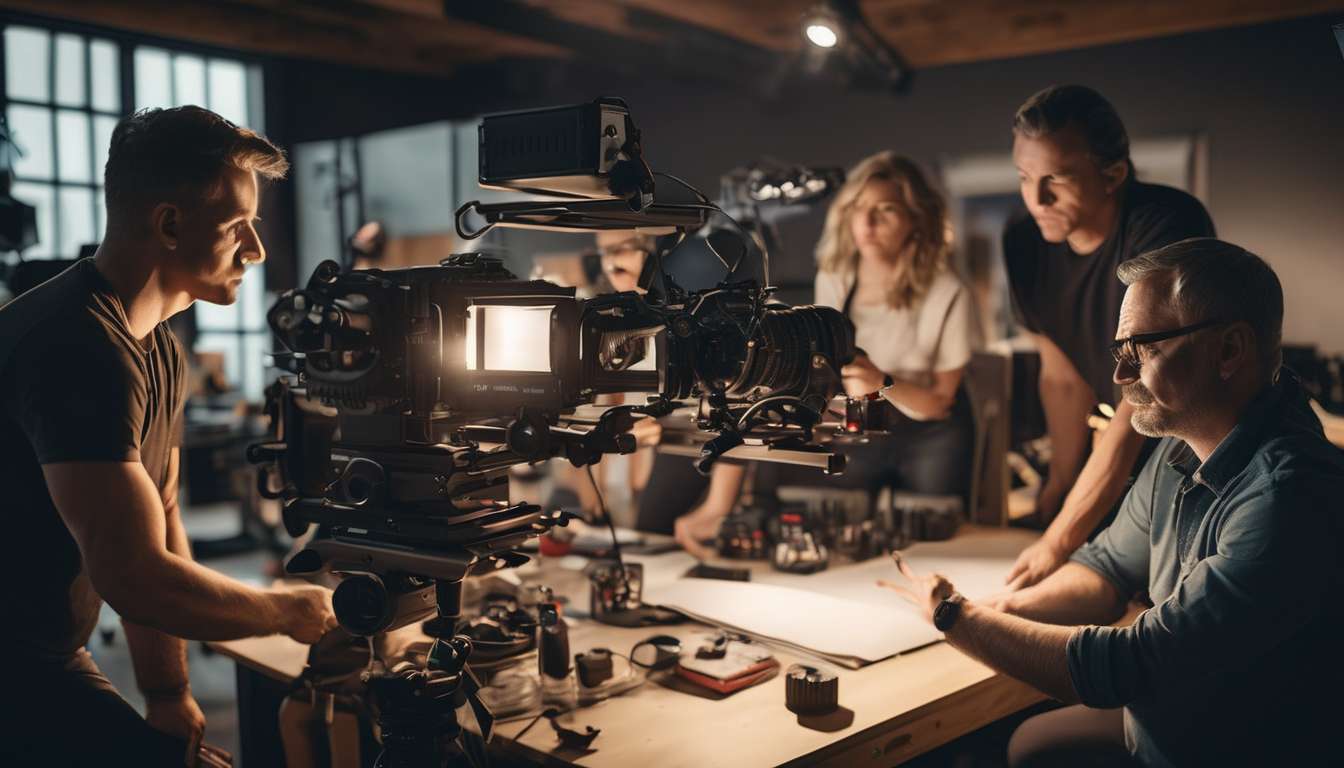
Inebriated teamwork is often described as a rowboat where everyone paddles in time — a metaphor that captures how training transforms our adult movies studio from a collection of individuals into a coordinated crew.
We believe that structured programs do more than teach technical skills; they build shared language, safety awareness, and professional standards that ripple through every production.
Through workshops, role-specific coaching, and scenario rehearsals, we strengthen trust between performers, crew, and management, reducing misunderstandings and downtime.
We measure improvements not only in efficiency and compliance but in morale and retention, recognizing that a supported team creates better creative outcomes.
By prioritizing continuous learning, we create pathways for career development and clear expectations that elevate both the workplace and the content we produce.
This commitment to training reframes our industry relationships, ensuring that professionalism and creativity advance hand in hand for safer, higher-quality productions.
Training Foundations
We build training foundations by defining clear roles, core skills, and practical learning paths that align with both creative goals and legal compliance.
We create workplace training that’s inclusive and practical, so every team member feels seen and supported from day one.
We map responsibilities and the competencies tied to them, then prioritize consent protocols and safety standards across all touchpoints.
We design modules that combine legal briefings, interpersonal skills, and hands-on exercises, and we make time for questions so no one feels isolated.
We integrate performance coaching into regular reviews, offering constructive feedback that helps people grow without judgment.
We set measurable outcomes and shared milestones, so progress is visible and celebrated together.
We keep materials accessible and update them as laws and best practices evolve, ensuring continuity and trust.
We encourage peer mentoring and open forums, reinforcing that learning is a collective effort and that belonging is part of how we create responsible, creative work.
Role-Specific Workshops
We’ll run role-specific workshops that drill down into exact responsibilities, tools, and scenarios each team member will face.
- These sessions combine hands-on practice with clear assessment criteria.
- We tailor content for performers, camera operators, makeup, and production staff so everyone learns practical steps they can use immediately.
Workplace training focuses on task mastery and communicating expectations so each person feels seen and supported.
- Trainers emphasize observable behaviors and measurable outcomes.
- Communication techniques are practiced so expectations are clear and accountability is fair.
We balance technical drills with scenario-based exercises that reinforce consent protocols in context.
- Scenarios are realistic and role-specific, avoiding repetition of broader policy discussions reserved for other sessions.
- Facilitators guide participants through decision points and debriefs that highlight safe, respectful actions.
Facilitators provide direct performance coaching tied to measurable outcomes to build confidence and competence.
- Coaching includes immediate feedback, modeled best practices, and short-term goals.
- Outcomes are translated into observable skills for assessment.
Workshops use small cohorts to foster peer feedback, shared problem-solving, and belonging.
- Cohorts encourage trust, practice opportunities, and constructive critique.
- Peer learning is structured with facilitation prompts and safe feedback rules.
Each participant leaves with role-specific artifacts and clear next steps for ongoing development.
- Role-specific checklists for day-to-day tasks.
- Documented competencies and assessment results.
- Clear next steps and resources for continued improvement.
The result is coordinated skill development and stronger team cohesion across roles.
Safety and Consent Protocols
We will establish clear, enforceable safety and consent procedures that everyone understands, can use in real time, and that are regularly reviewed.
We will create a shared framework so every person feels protected and included, integrating workplace training that emphasizes practical steps, boundaries, and reporting options.
We will teach simple, memorable signals and escalation paths so consent protocols are easy to follow under pressure.
We will pair these procedures with performance coaching that balances artistic standards and personal dignity, giving performers tools to assert limits while developing craft.
We will hold scenario-based drills and role-play to build muscle memory, and we will document outcomes to improve policy.
We will ensure supervisors and peers complete regular refreshers and know how to respond when someone withdraws consent or reports misconduct.
We will make confidentiality, impartial investigation, and restorative options core promises, and we will invite ongoing feedback so protocols evolve with our community.
We will strengthen trust, reduce harm, and reinforce that everyone belongs and has agency on set.
Communication Standards
We will adopt clear, consistent communication standards that define expected language, channels, and response times so everyone knows how to speak up, get information, and resolve issues on set.
We will spell out respectful tone and inclusive wording, and specify when to use formal reports versus quick check-ins, reinforcing that everyone belongs and has a voice.
Workplace training will include modules on active listening, concise messaging, and accessible reporting tools so confusion doesn’t undermine safety or creativity.
We will link communication rules to consent protocols, ensuring consent-related changes are documented, acknowledged, and retrievable by all relevant team members.
We will set expectations for performers and crew for timely confirmations and clear escalation paths when concerns arise.
Supervisors will model standards and receive performance coaching to give constructive feedback and manage difficult conversations with empathy.
We will perform regular reviews of response-time metrics and collect anonymous feedback to help refine standards.
By making communication predictable and supportive, we will strengthen trust, reduce misunderstandings, and create a workplace where everyone can contribute confidently.
Scenario Rehearsals
We’ll run regular scenario rehearsals that let crews and performers practice scripted scenes, safety interventions, and unexpected changes so everyone knows roles, boundaries, and escalation steps before filming begins.
We build inclusive exercises that mirror real shoot dynamics, so every team member feels seen and supported.
In each session, we emphasize workplace training that teaches practical responses to miscommunication, equipment issues, or consent challenges, and we repeat protocols until they feel natural.
We role-play consent protocols with clear verbal check-ins, safe signals, and step-by-step de-escalation, making sure nobody’s left guessing.
We pair newer members with experienced allies in small groups to normalize asking for clarification and to reinforce mutual accountability.
We document outcomes and update guidelines together, creating a shared resource that reflects our collective learning.
These rehearsals strengthen trust, reduce on-set anxiety, and create a dependable rhythm where everyone understands how to protect boundaries, communicate needs, and step in when safety or comfort is at stake.
Performance Coaching
We’ll offer targeted coaching that helps performers and crew build confidence, refine technique, and communicate boundaries clearly during shoots.
We gather small groups so everyone feels seen and supported, using performance coaching that blends practical skill work with emotional safety.
In sessions, we practice scene dynamics, nonverbal cues, and microphone and camera presence while reinforcing consent protocols at every step.
We train crew and talent together to create shared vocabulary and predictable rhythms, so set calls run smoothly and mutual respect is habitual.
Our workplace training includes role-specific modules:
- Intimacy-aware staging
- Verbal check-ins
- De-escalation strategies for tense moments
We use real-world scenarios to rehearse:
- Saying yes or no
- Adjusting choreography
- Documenting agreements
By keeping feedback constructive and actionable, we foster belonging and professional growth without pressure.
Together, we create environments where people perform their best, feel protected, and leave shoots confident that their boundaries and craft were honored.
Career Development Paths
We’ll map clear career pathways that let performers and crew see advancement options, skill milestones, and the training or credentials needed to move into new roles.
We’ll outline entry, mid, and senior tracks that blend practical workplace training with mentorship and documented competencies.
We’ll show how mastering consent protocols becomes a formal milestone for those moving into leadership or intimacy coordination roles.
We’ll connect performance coaching milestones to measurable responsibilities, like leading rehearsals or designing scene direction, so people know what to aim for.
We’ll create shared templates for individual development plans, promotion checklists, and peer feedback loops that reinforce belonging and transparency.
We’ll ensure access to accredited courses, internal shadowing opportunities, and time for practice without fear of exclusion.
We’ll commit to regular reviews so pathways stay current with industry standards and community needs.
By making expectations explicit and supports visible, we’ll help everyone feel seen, prepared, and confident stepping into new roles within our studio.
Measuring Program Impact
We’ll track clear, measurable indicators—like retention, promotion rates, skills assessments, and incident reports—to evaluate how training programs improve safety, competence, and career mobility.
We’ll set baseline metrics before rollout and then collect regular quantitative and qualitative data so everyone can see progress.
We’ll measure adherence to consent protocols through audits and anonymous feedback, and link improvements to reduced incidents and higher reported wellbeing.
We’ll capture individual and cohort growth using:
- targeted surveys,
- skills checklists,
- manager evaluations from performance coaching sessions.
We’ll analyze results with cohort comparisons and trend lines to identify which modules work and where to iterate.
We’ll share results transparently with the team, celebrate gains, and invite input on gaps so members feel included and heard.
When outcomes lag, we’ll pilot adjustments and re-measure quickly to drive continuous improvement.
By centering inclusion and practical evidence, we’ll ensure the programs strengthen safety, career pathways, and day-to-day collaboration across the studio.
How are personal boundaries and off-set relationships handled by the studio after training to prevent favoritism or conflicts of interest?
We address post-training personal boundaries and off-site relationships by enforcing clear policies.
We require disclosure of relationships so potential conflicts can be identified early and managed appropriately.
We rotate assignments to prevent favoritism and ensure no one is singled out, promoting fairness across teams.
We provide confidential reporting and mediation to allow concerns to be raised safely and resolved constructively.
We conduct regular check-ins to monitor team dynamics and address issues before they escalate.
We coach managers to act transparently and to document decisions, ensuring accountability.
We apply consistent consequences for policy violations so everyone feels respected, safe, and included.
What accommodations are made for performers or crew with disabilities, chronic health conditions, or mental health needs beyond initial accessibility guidelines?
We prioritize inclusive, ongoing support for performers and crew with disabilities, chronic conditions, or mental health needs.
We provide individualized accommodations such as assistive equipment and adjustments to tasks to ensure dignity and safety.
We offer flexible scheduling and quiet/rest spaces to support energy management and sensory needs.
We ensure clear communication about tasks and expectations and involve individuals in planning so they retain agency and a true sense of belonging.
We conduct regular check-ins and provide access to counseling and medical referrals to support wellbeing.
We provide training for colleagues on respectful collaboration and will adjust roles as needed to maintain a safe, inclusive working environment.
How does the studio address payment disputes, residuals, or compensation transparency that aren’t covered in role-specific or career development sessions?
Payment disputes, residuals, and compensation transparency will be handled through clear written policies.
Key elements of the policies include:
- Independent auditing access so workers can verify records.
- Step-by-step dispute resolution procedures with defined timelines for payments.
- Confidential payroll liaison to receive and manage sensitive concerns.
Communication and education will be ongoing and open.
- Regular open forums to discuss pay practices and answer questions.
- Educational sessions on contracts and rights to empower workers to understand compensation terms.
Conflict resolution options will be fair and accessible.
- Mediation as a first neutral option.
- External arbitration if mediation does not resolve the dispute.
Recordkeeping and feedback mechanisms will be maintained.
- Accessible records so individuals can review their payroll and residuals.
- Encouraged feedback channels to continually improve transparency and support.
Outcome goal: Everyone feels informed, respected, and supported about their pay.
Conclusion
You’ve seen how targeted training builds stronger studio teams: foundational courses set expectations, role-specific workshops sharpen skills, and safety and consent protocols protect everyone involved.
Clear communication standards and scenario rehearsals keep shoots efficient.
Performance coaching and career development show a path forward.
By measuring program impact, you’ll keep improving practices and outcomes.
Invest in training, and you’ll create a safer, more professional, and more sustainable working environment.